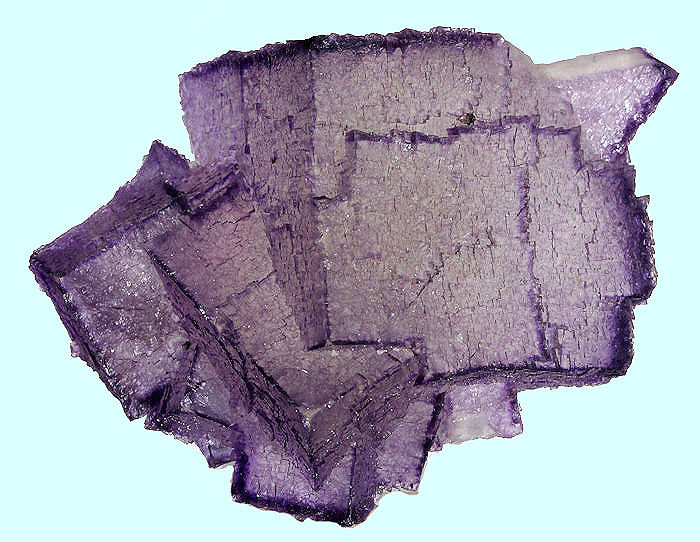
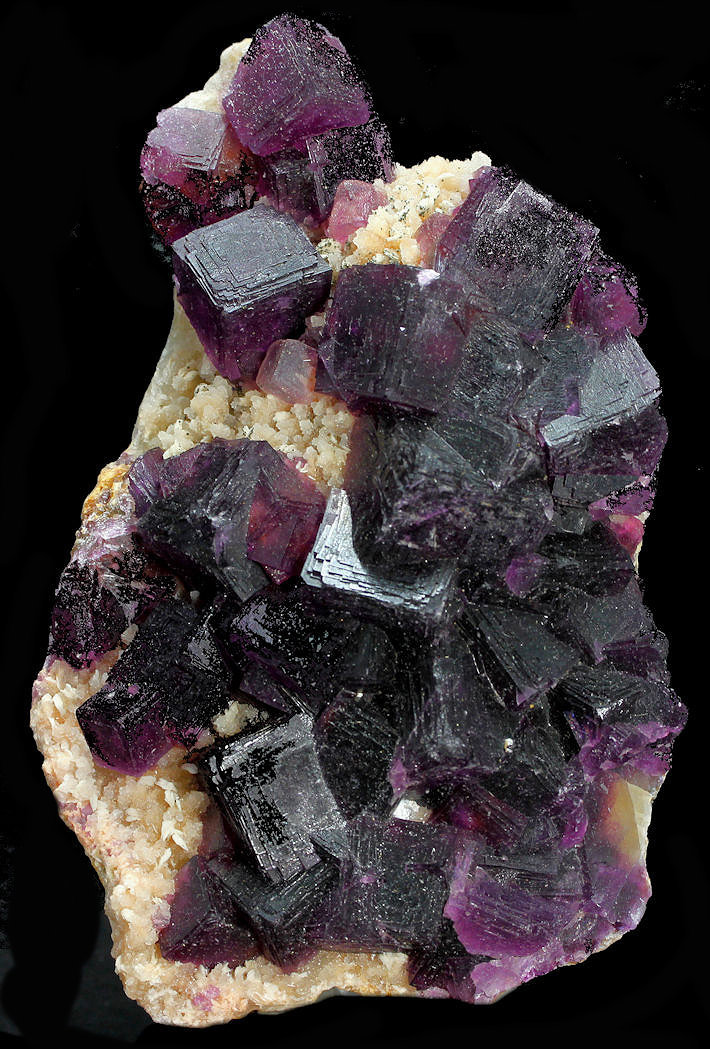
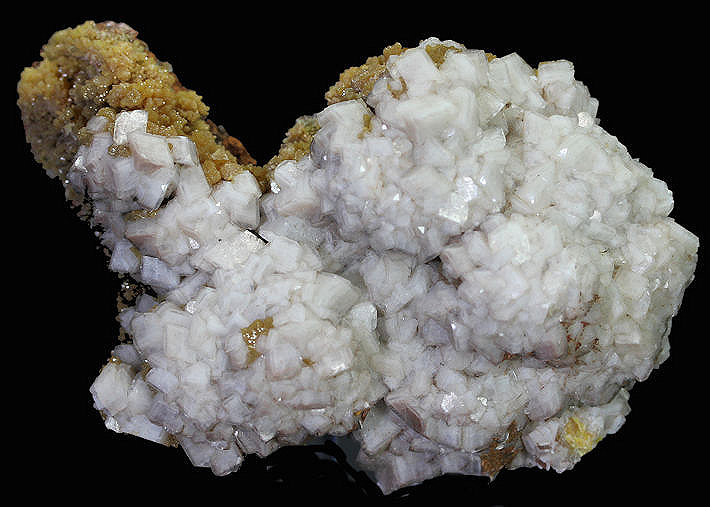
Elmwood Mine, Carthage, Central Tennessee Ba-F-Pb-Zn District,
Smith County, Tennessee, USA
10 x 6.5 x 3 cm
$600
Beautiful, light purple Fluorite cluster from the famous Elmwood Mine. In fine condition.
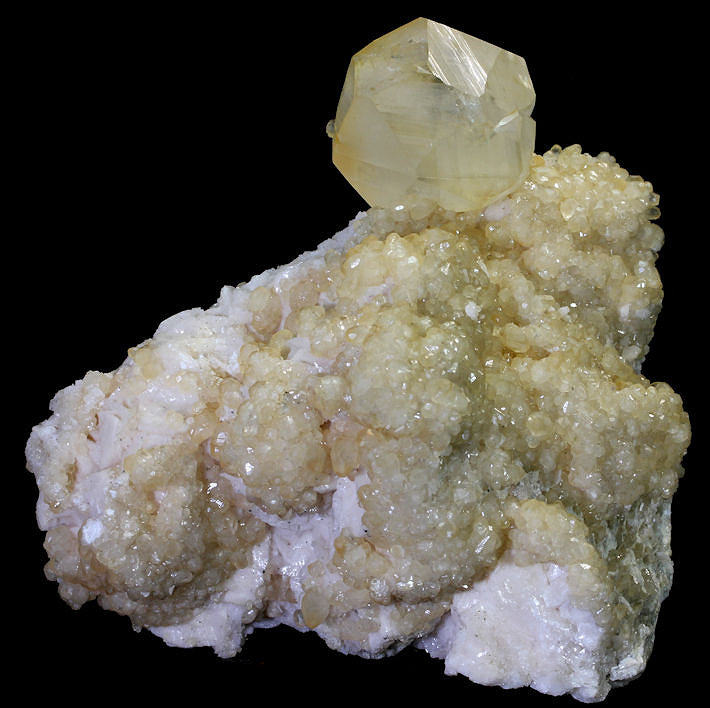
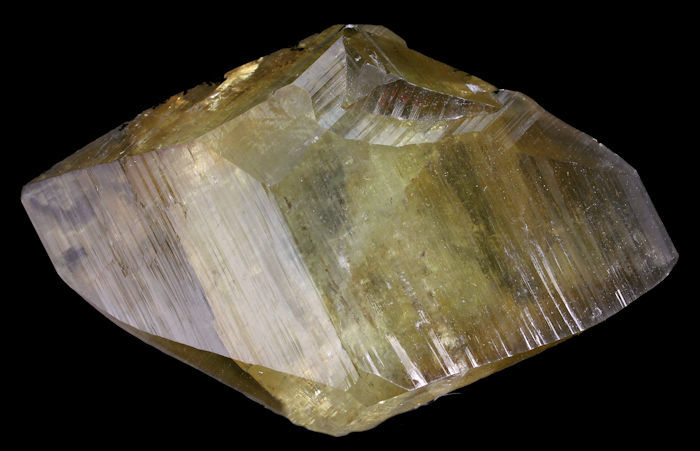
Calcite Crystal
Daye County, Hubei Province, China
11.3 x 7.2 x 4 cm
Ex-Dawson Calcite Collection
$1,500
Gemmy, deep golden, doubly terminated Calcite crystal perched on a small piece of matrix. This is a lovely crystal, with two perfect tips and barely a contact anywhere along is highly lustrous, glassy surfaces. The crystal faces are well striated with good transparency of the interior.
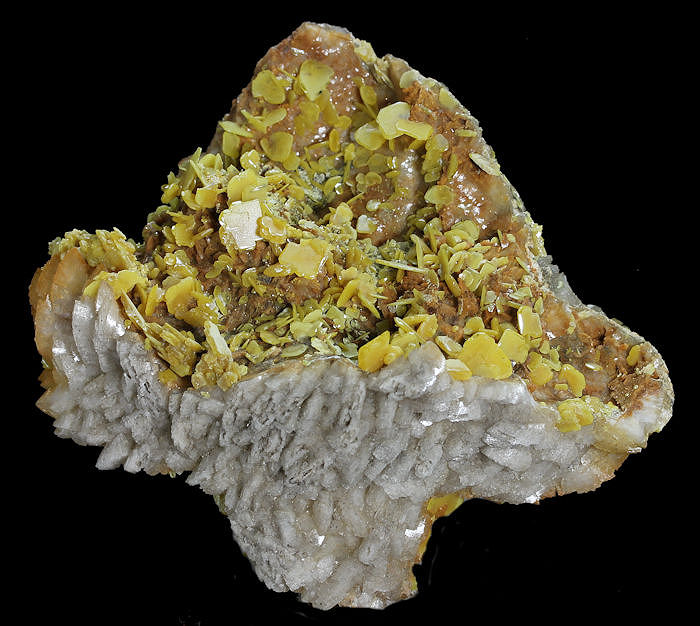
Hemihedral, sharp laminar crystals of bright yellow Wulfenite on an aesthetic formation of Dolomite.
In very good condition.
#A1376
#A1380
#A1381
#A1387
#A1389
#A1393
#A1395
#A1396
#A1397
#A1400
#A1401
#A1402
#A1402
#A1405
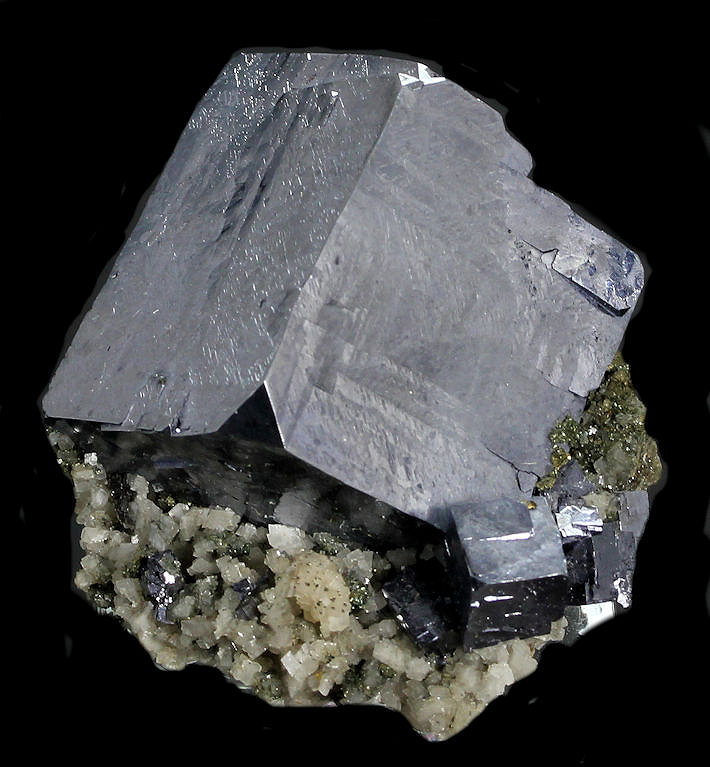
Galena Crystals with Dolomite & Pyrite
Sweetwater Mine, Reynolds County, Missouri, USA
5 x 4 x 3.5 cm
$150
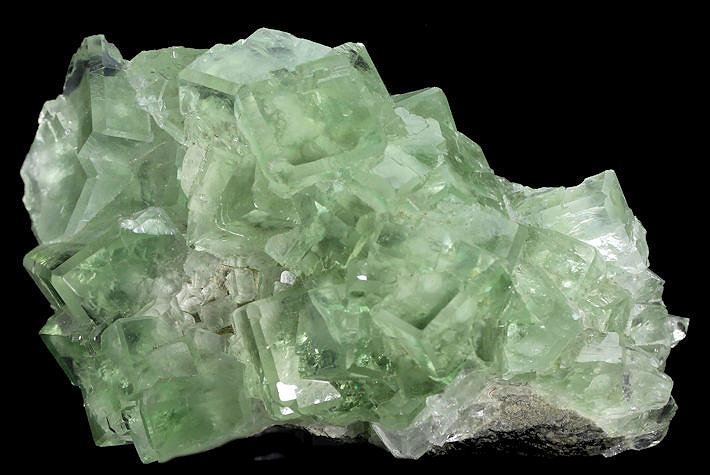
Fluorite Crystal Cluster
Xianghualing Mine, Hunan Province, China
8.9 x 5.7 x 4 cm
$200
Pyrolusite Crystal Cluster
Dona Ana County, New Mexico, USA
7 x 4.5 x 1 cm
$200
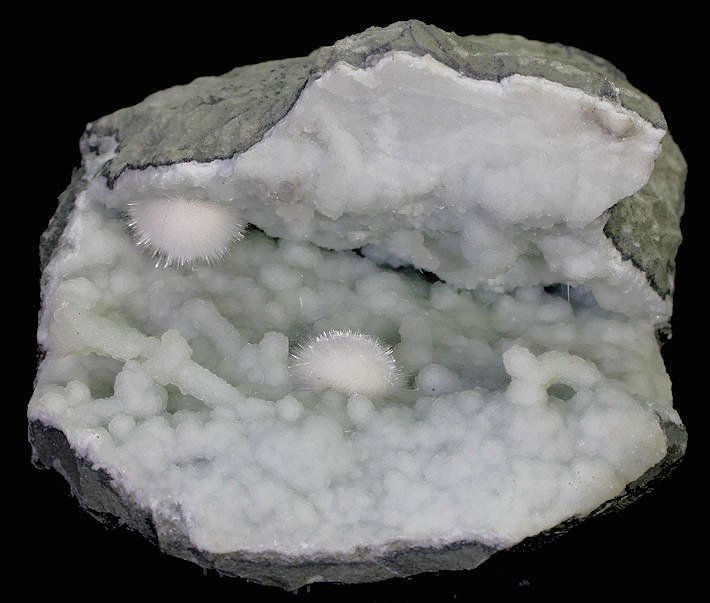
Mesolite Ball Sprays in Prehnite Vug
Mumbai Quarries, Maharashtra, India
15 x 10.5 x 8 cm
$600
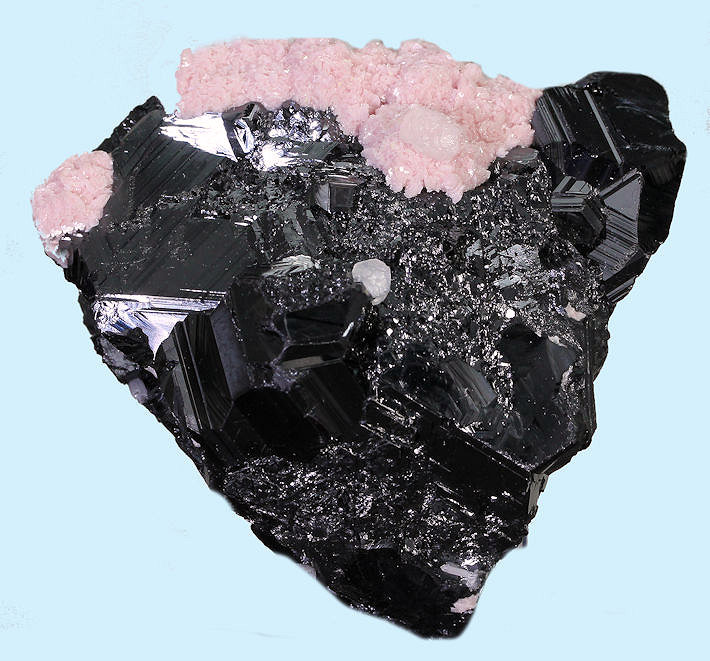
Rhodocrosite & Calcite on Sphalerite
Stari Trg Mine, Trepca Complex, Mitrovica, Kosovoska Muncipality, Kosovo
7.5 x 7.5 x 5 cm
$400
Calcite Crystal on Calcite Covered Dolomite
Mina La Florida, Puentenansas, Cantabria, Spain
11 x 11 x 6 cm
$300
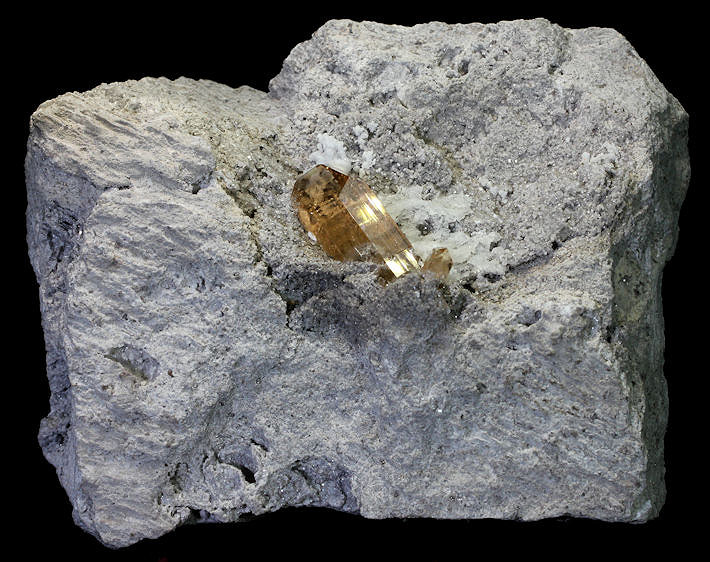
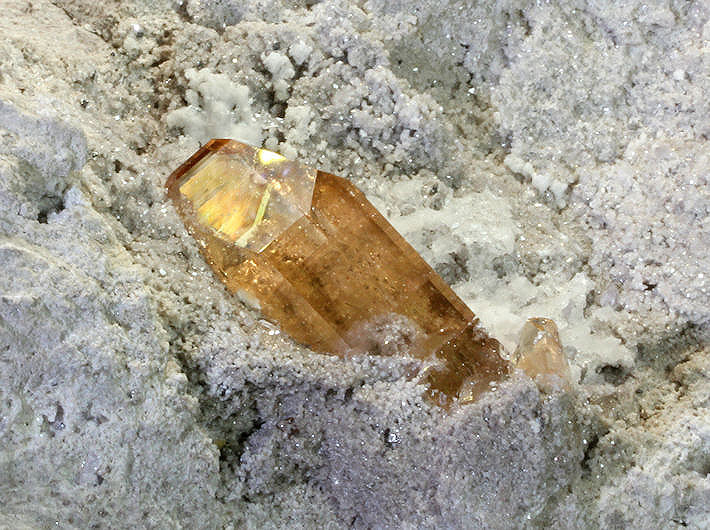
Topaz Crystals on Rhyolite
Garnet Maynard's Claim, Thomas Range, Juab County, Utah, USA
11 x 8 x 3.5 cm
$600
Fluorite Crystals on Calcite Matrix
Jingbian Cu-Au Deposit, Zongyang County, Anqing Prefecture, Anhui Province, China
15 x 9.5 x 4.5 cm
$400
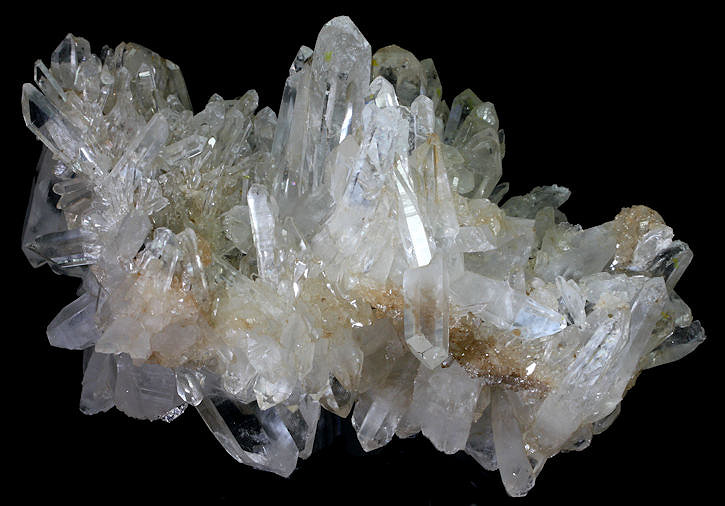
Quartz Crystal Cluster
Mina Mundo Nuevo, Distrito Pasto Bueno, Provincia de Pallasca, Dept. de Ancash, Peru
15 x 10 x 7 cm
$300
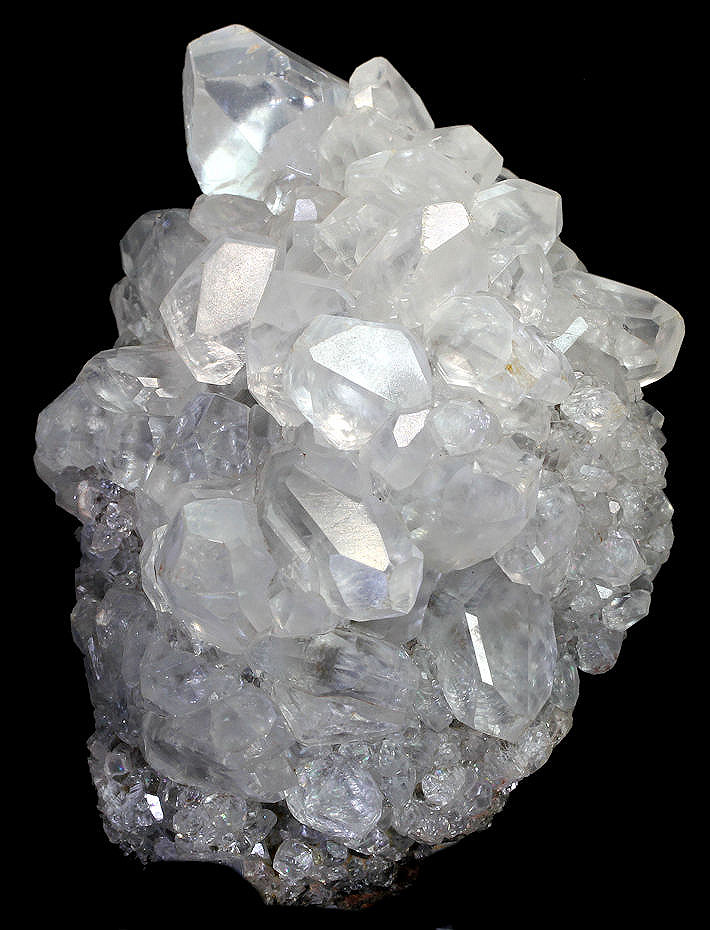
Calcite Crystal Cluster
Egremont, Cumbria, England
10 x 7 x 5 cm
$750
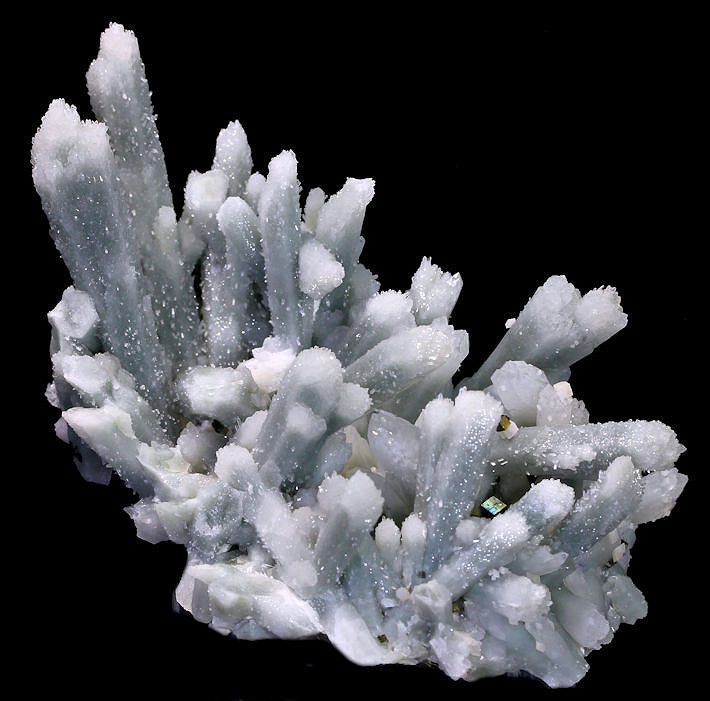
Quartz Crystal Cluster
Shangbao Mine, Leiyang County, Hengyang Prefecture, Hunan Province, China
8 x 5.5 x 5 cm
$300
A nice cluster of light green, very translucent Fluorite crystals. In very good condition.
A large, Galena crystal with good metallic luster and with two side car Galena crystals on Dolomite with minor Pyrite. In fine condition.
Two balls of Mesolite crystals nestled in a Prehnite covered vug. In pristine condition.
A large bursting cluster of highly clear and lustrous Quartz crystals from Peru. In fine condition.
Pyrolusite is a common Manganese mineral, but rarely available to Collectors in fine crystalline form. The crystals have great metallic luster and striations. In pristine cindition.
A complex translucent Calcite crystal measuring 3.5 x 3 x 3 cm is perched atop a Dolomite matrix partially covered with a secondary growth of Calcite crystals. In fine condition.
A beautiful, very gemmy, light amber Topaz crystal measuring 3.2 x 1.2 cm sits in the center of a Rhyolite matrix. In pristine condition.
Beautiful deep purple Fluorite crystals measuring to 2.2 x 1.5 cm displayed on a Calcite covered matrix. In very good condition.
Pretty pastel pink Rhodocrosite crystals adorning the top of crystallized jet black Sphalerite. In very good condition.
Beautiful specimen offvery gemmy, glassy Calcite crystals from the famous Egremont location. In pristine condition.
A striking Shangbao Quartz crystal cluster with great sparkle. The color is believed to be due to inclusions of Hedenbergite. In fine condition.
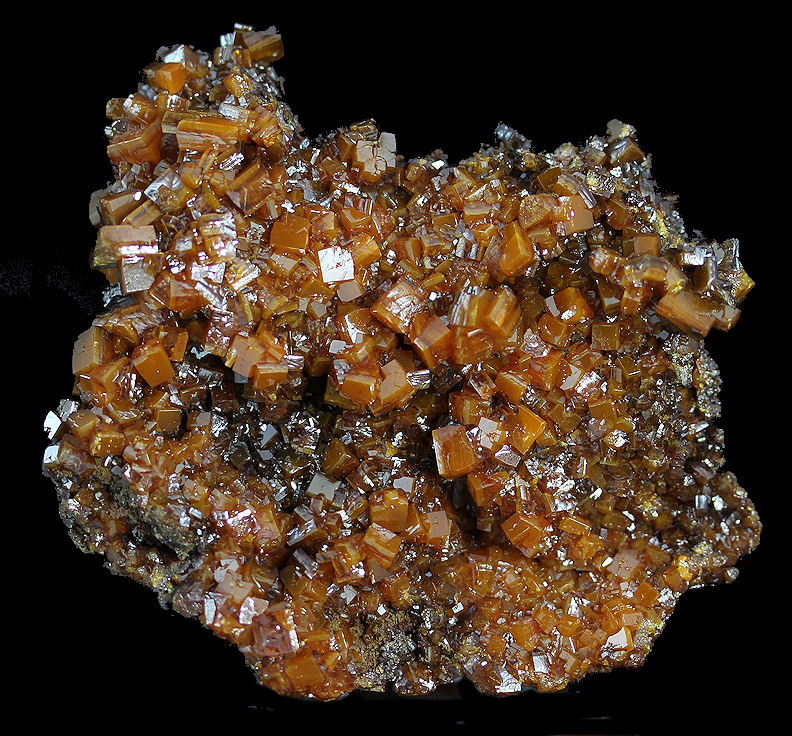
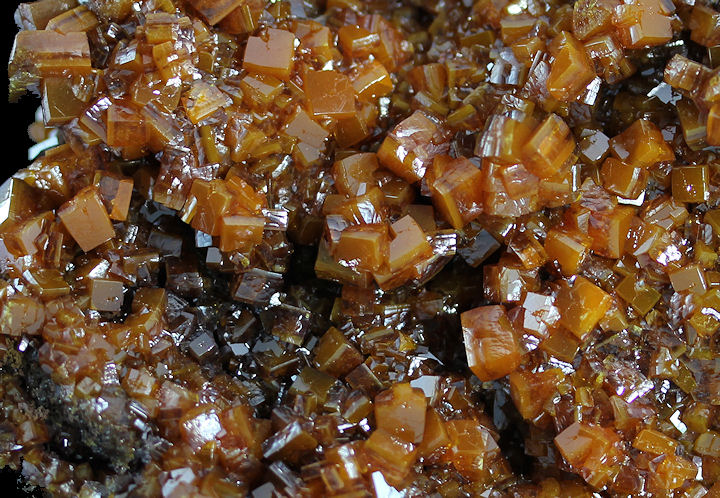
Erupción Mine, Los Lamentos Mts, Mun. de Ahumada, Chihuahua, Mexico
10.5 x 8.5 x 2.5 cm
$4,200
Excellent specimen of cubic, butterscotch colored Wulfenite crystals with sandwich structure and great luster from the Los Lamentos Mine. Solid mass of Wulfenite in pristine condition.
#A1360
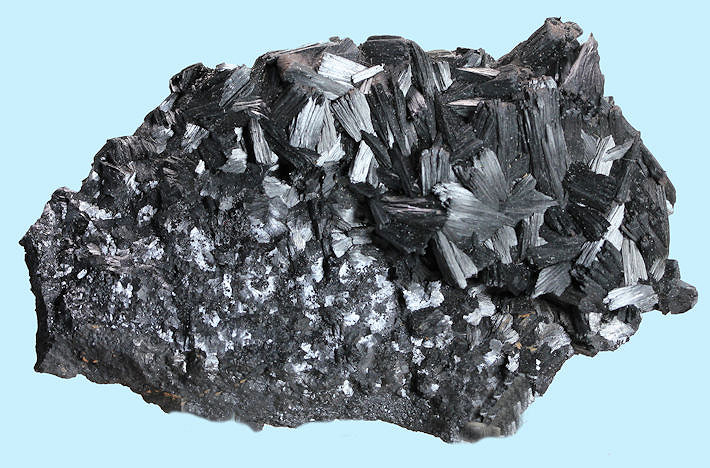
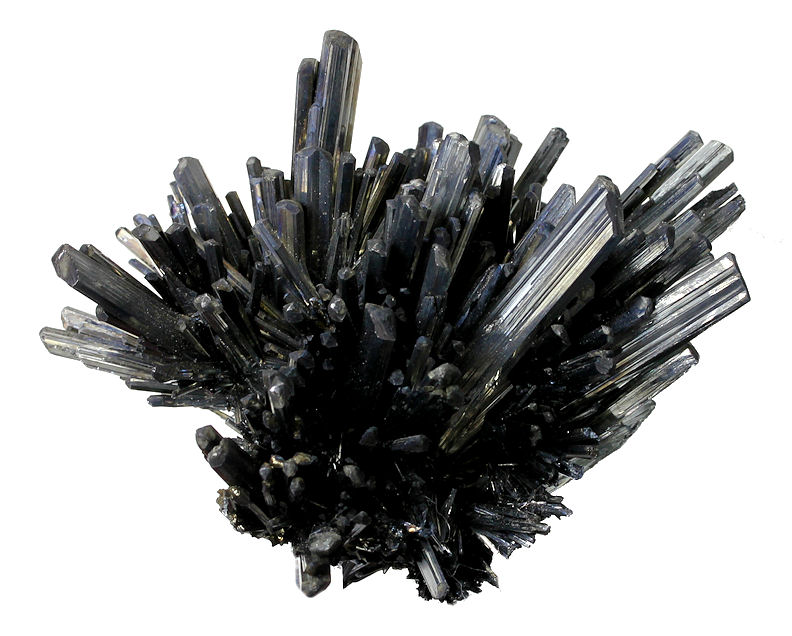
Stibnite Crystal Cluster
Baia Sprie, Maramures,County, Romania
9.5 x 8 x 5 cm
$1,500
Terrific cluster of dark silver-gray Stibnite crystals from Romania, which mines are long closed. Super specimen in fine condition.
#A1292
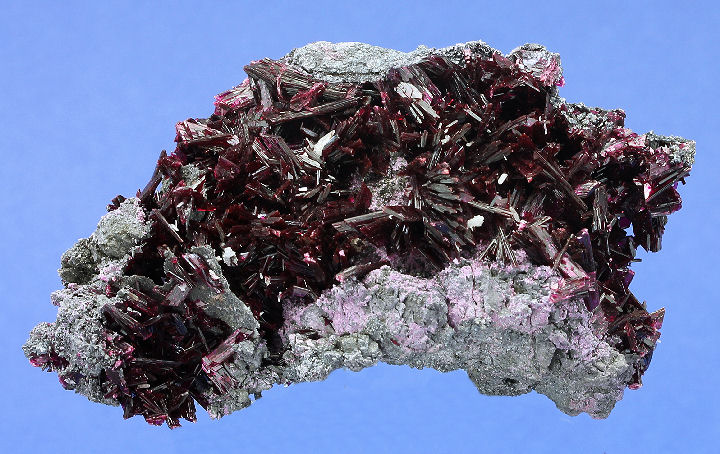
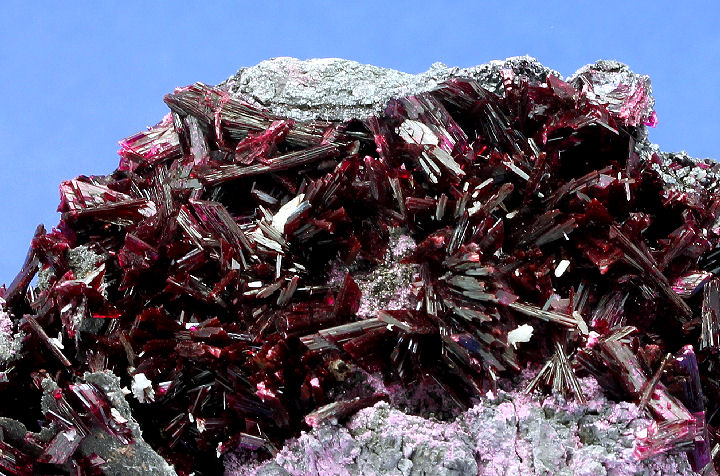
A super specimen of Erythrite from the classic location for the species. The sharp well formed crystals of Erythrite are richly intergrown over the metallic grey matrix. The crystals measure to over 1 cm tall, with a fine lustrous deep maroon coloration.
Erythrite Crystals on Matrix
Bou Azer, Tazenakht, Ouarzazate, Morocco
8 x 4.3 x 4 cm
$1,500
#A1273
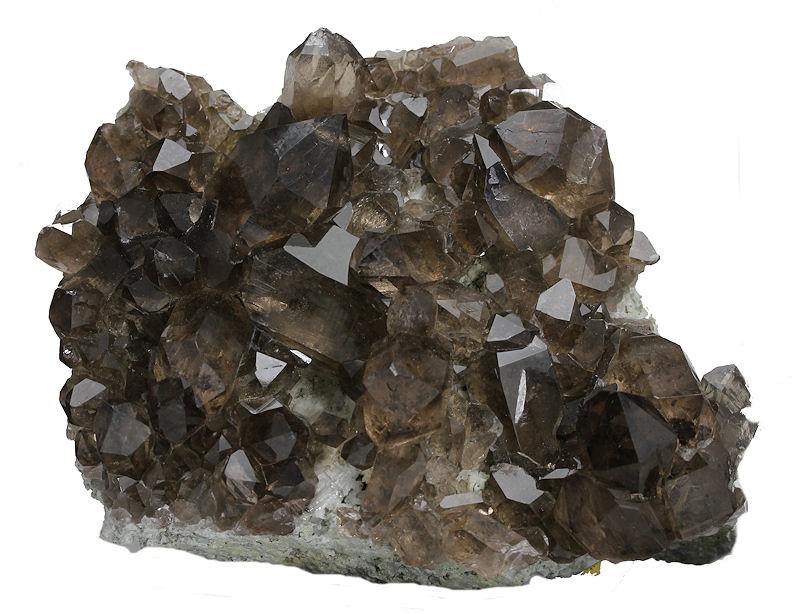
Superb plate of gemmy, Smoky Quartz crystals from a choice location. In fine condition.
Smoky Quartz Crystal Cluster
Glaciar de Talefre, Mont Blanc, France
20 x 17 x 10 cm
Ex-Jorge Diaz Asenjo Collection
$4,000
#A1330
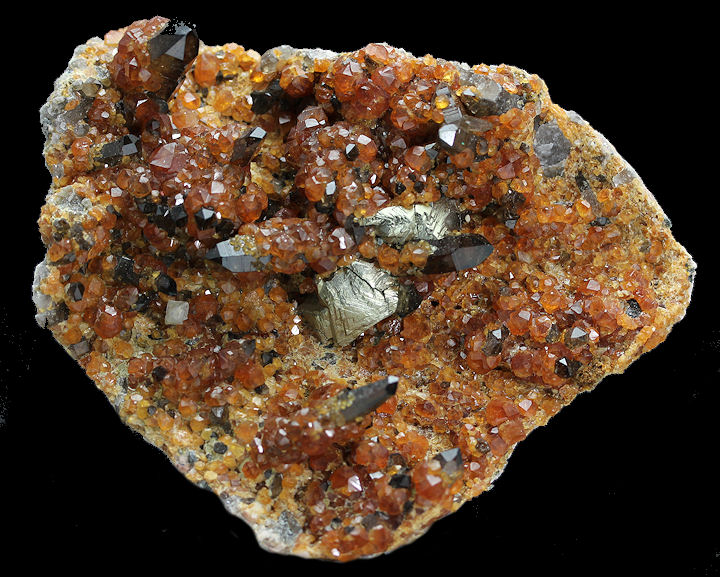
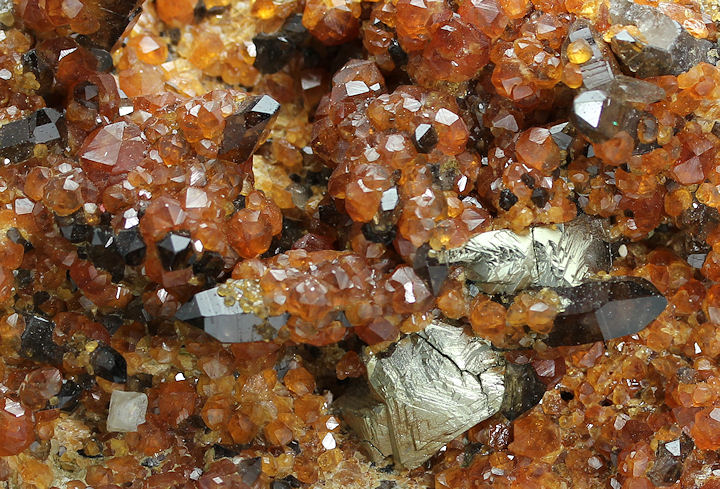
Attractive plate of honey colored Spessartine Garnets with Smoky Quartz and golden Chalcopyrite.
Spessartine Garnets with Smoky Quartz
Tongbeo Area, Fujian Province, China
11 x 8.5 x 3 cm
$950
#A1302
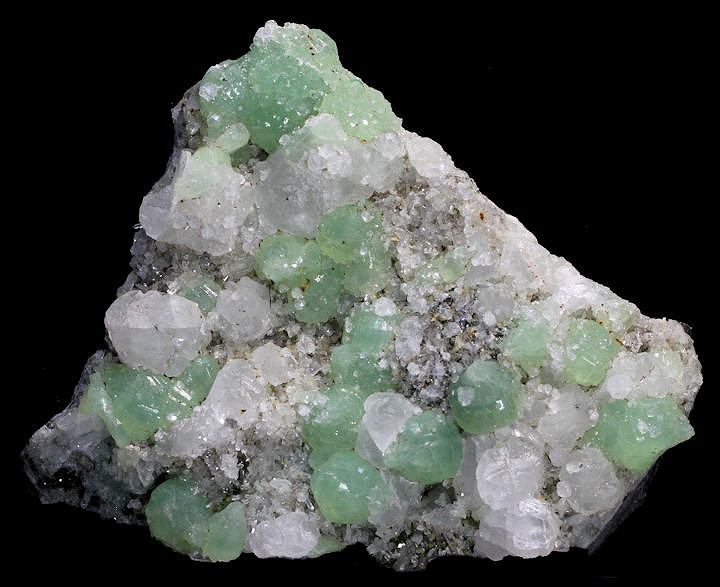
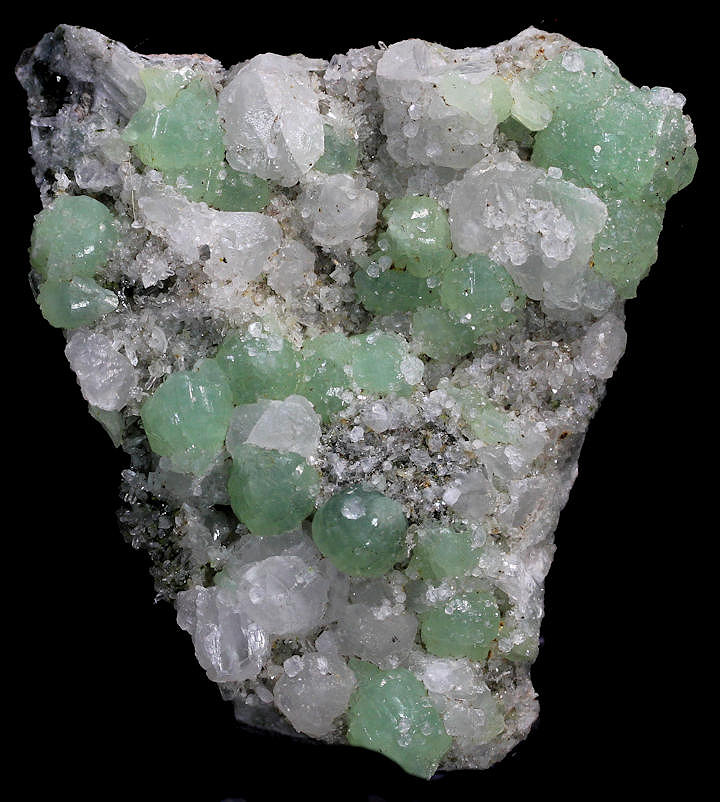
Beautiful green Prehnite crystals with Quartz and Calcite.
Prehnite Crystals on Quartz & Calcite
Brandberg Mountains, Brandberg Area, Erongo Region, Namibia, Africa
10.5 x 9 x 3 cm
$250
#A1349
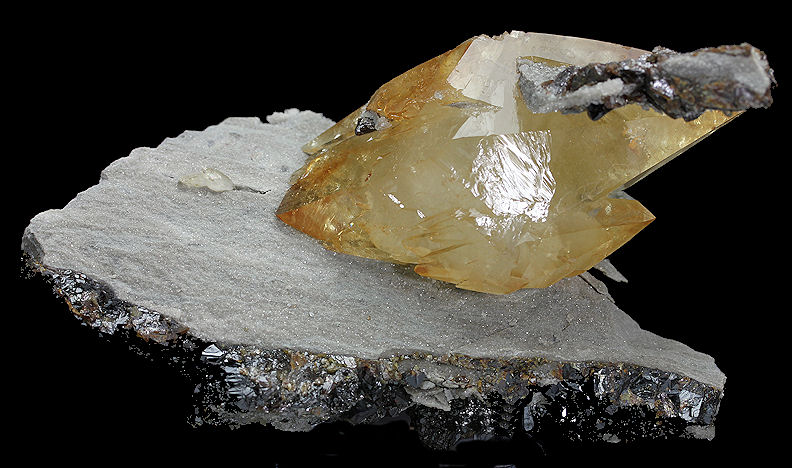
Golden Calcite crystal on Dolomite with Sphalerite
Elmwood Mine, Carthage, Central Tennessee Ba-F-Pb-Zn District, Smith Co., Tennessee, US
16 x 10 x 9 cm
$600
Lustrous golden, double terminated Calcite crystal (10.5x6.5 cm) perched on a substrate of Dolomite trimmed with Sphalerite. In very good condition.
#A1359
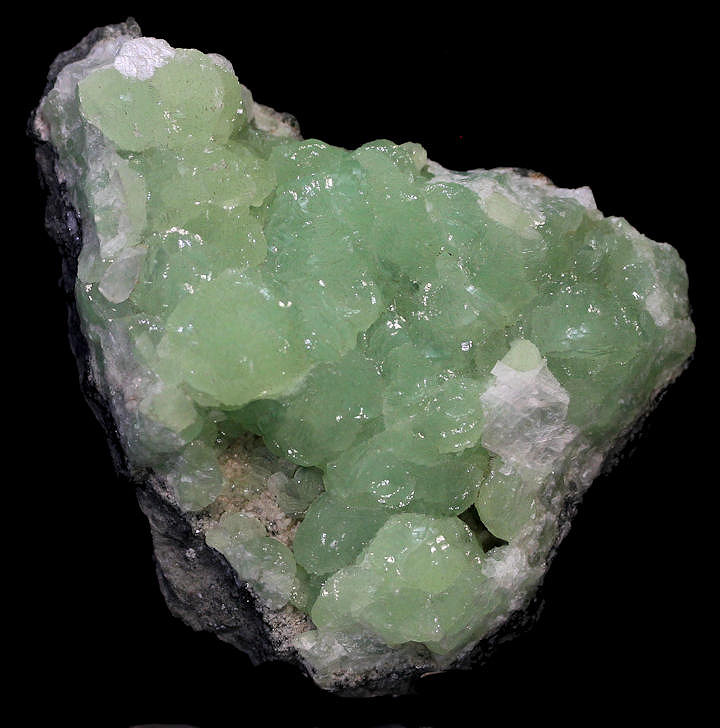
Prehnite Crystal Cluster
Prospect Park Quarry, Prospect Park, Passaic Co., New Jersey, USA
9.5 x 7.5 x 1.5 cm
$275
Light mint green botryoidal, lustrous Prehnite crystals from the long closed Prospect Park Quarry.
#A1362
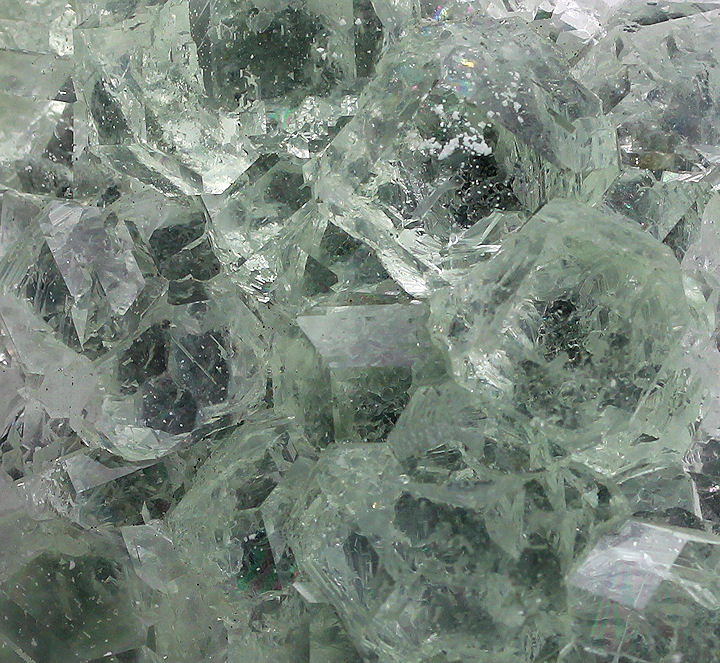
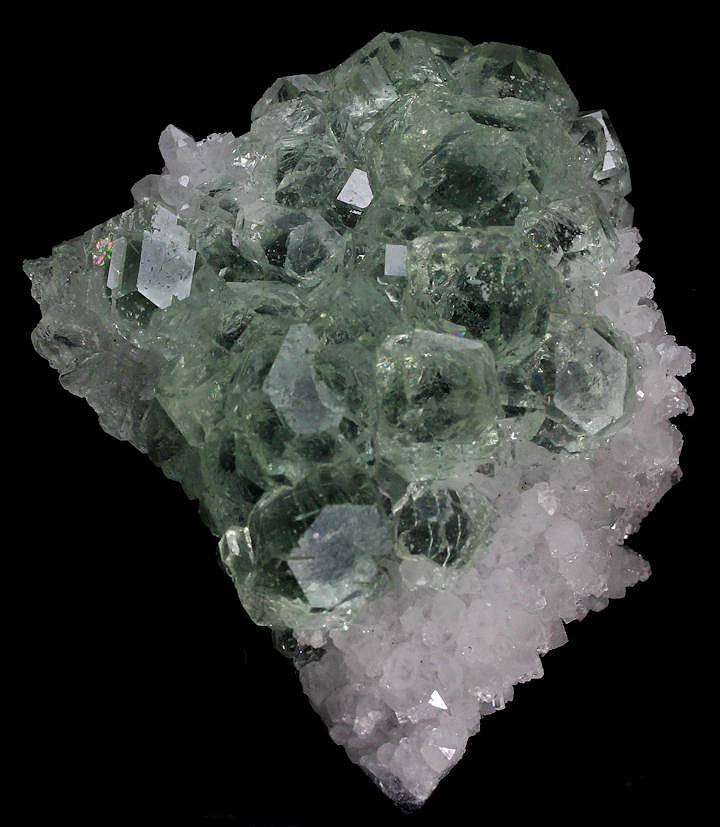
Fluorite Crystals with Quartz
Dong Po Mine, Hunan province, China
10 x 7 x 4.5 cm
$600
Gemmy, light green crystals of Fluorite with beveled edges and
a trim of translucent, milky Quartz crystals. In excellent condition.
#A1301
A rich, showy combination specimen from Santa Eulalia, Mexico. The Calcites look like glistening ice cubes covering the lustrous, honey brown Mimetite crystals.
Calcite Crystals on Mimetite
Santa Eulalia, Chihuahua, Mexico
11.9 x 8 x 5.5 cm
Ex-Ernie Schlichter Collection
$350
#A1339
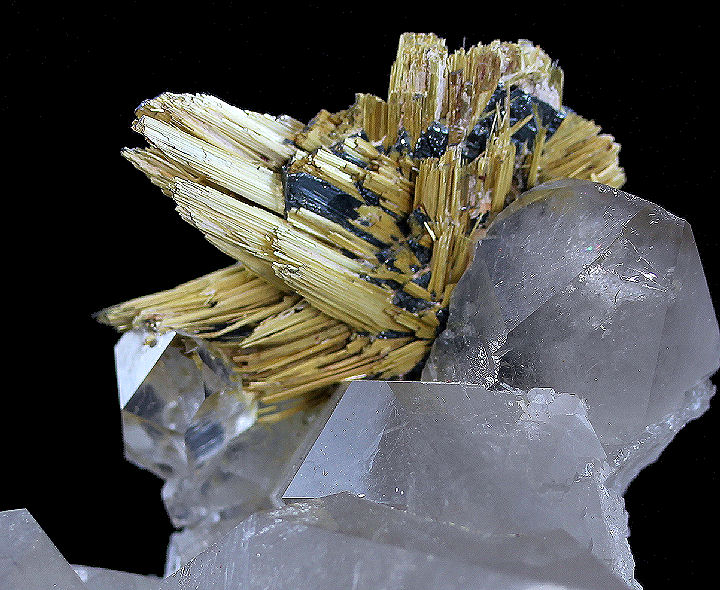
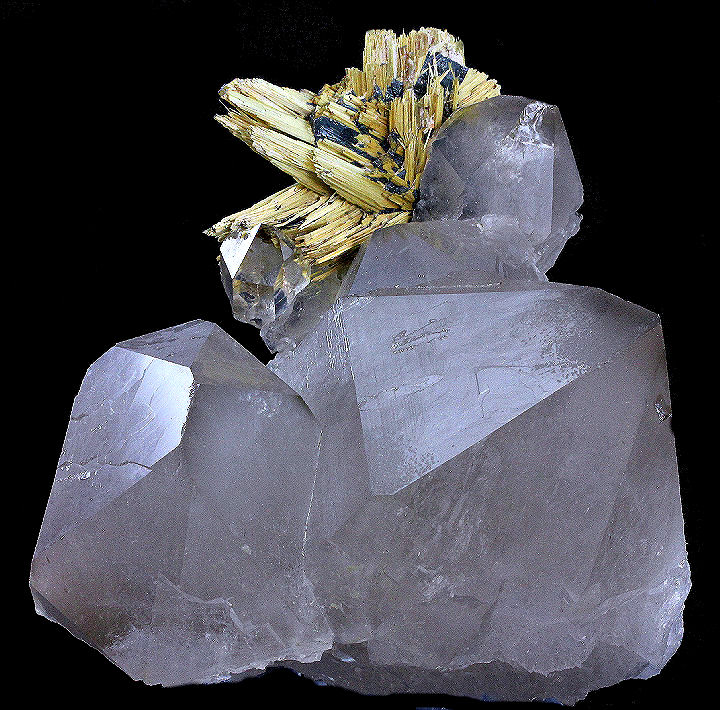
Super cluster of "firm" lustrous, golden Rutile crystals on Hematite perched atop a cluster of Quartz crystals from one of Ed David's collections.
Rutile on Hematite "Star Cluster" on Quartz Crystals
Ibitiara, Bahia, Brazil
12 x 11 x 7 cm
Ex-Edward David Collection
$6,000
#A1351
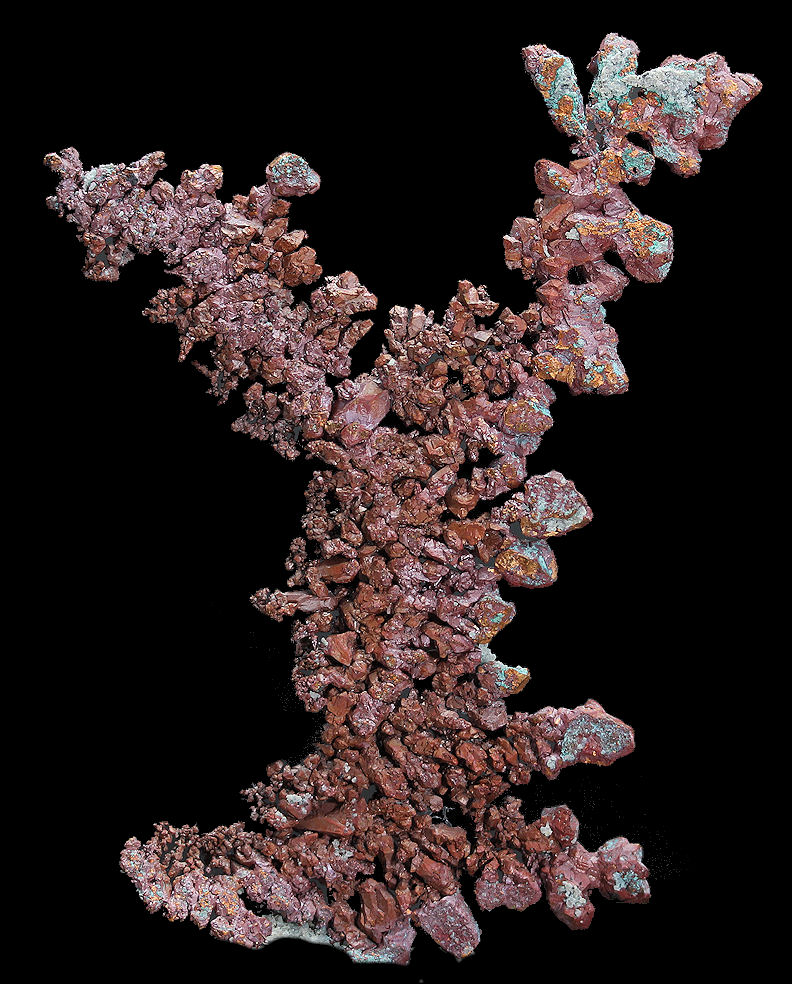
Copper Crystal
Itauz Mine, Djezkazgan Oblast, Kazakhstan
10 x 8 x 0.5 cm
$400
Very nice, well crystallized Copper Crystal with good patina from the Itauz Mine.
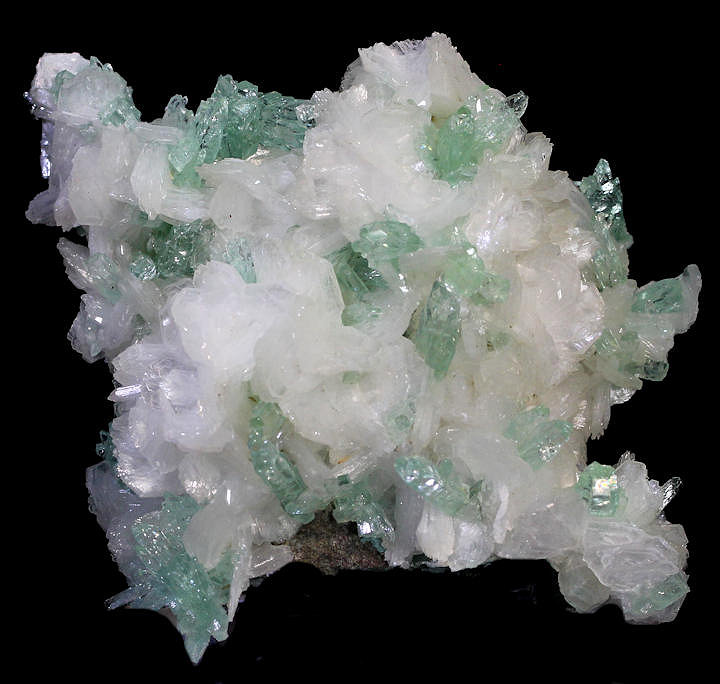
Fluorapophyllite & Stilbite Crystal Cluster
Jalgaon, Maharashtra, India
10.5 x 8 x 3 cm
$250
Very aesthetic display of gemmy, sharp, green Fluorapophyllite crystals scattered among creamy white Stilbites. In very good condition.
#A1406
#A1352
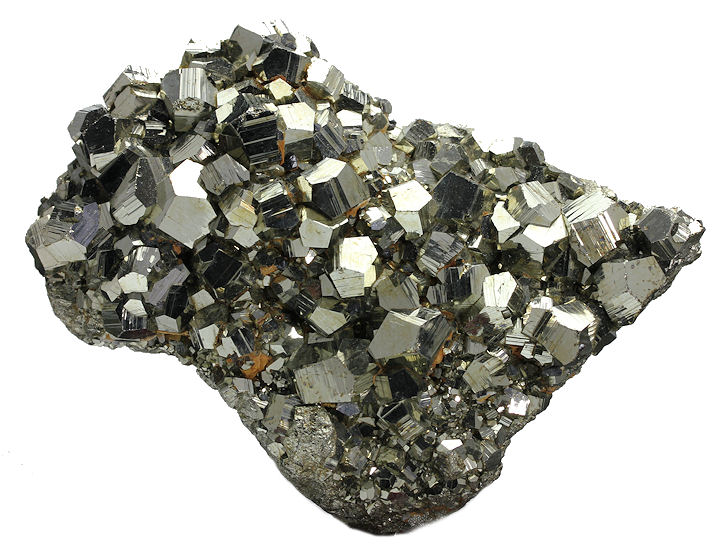
Complex, striated silvery crystals of Pyrite.
Pyrite Crystal Cluster
Huanzala Mine, Huallanca District, Dos de Mayo Province, Peru